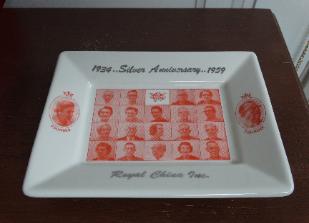
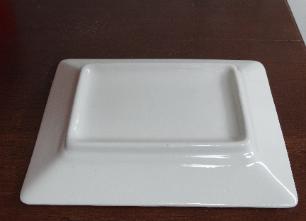
| Royal China Company |
 |
| |
 |
| |
 |
| |
 |
| |
 |
| |
 |
| |
 |
| |
 |
| |
 |
| |
 |
| |
 |
| |
 |
| |
 |
| |
 |
| |
 |
| |
 |
| |
 |
| |
 |
| |
 |
| |
 |
| |
 |
| Sebring Ohio Historical Society 126 North 15th Street Sebring, Ohio 44672 330-938-6920 |


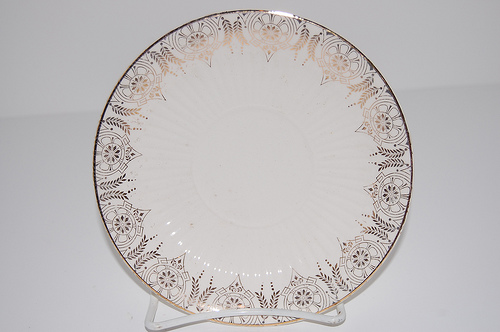


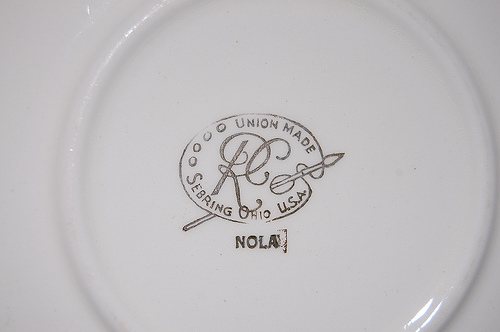
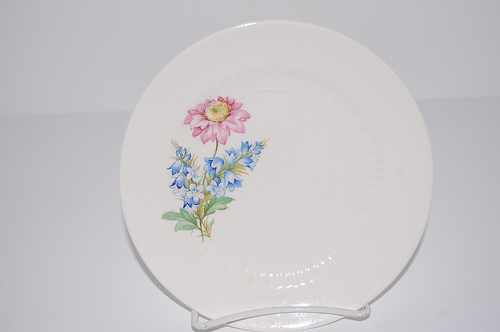


The Royal China Company was formerly The Oliver China Company, then the E. H. Sebring China
Company. It was located on South 15th Street in Sebring, Ohio. The original founders were Beatrice L.
Miller, William H. Habenstreit and John Bert Briggs. Miss Miller and Mr. Habenstreit had been
employed at National Publicity Bureau as 'middlemen' buying dinnerware from the potteries for resale as
advertising premiums for Quaker Oats and Proctor and Gamble in Omaha, Nebraska.
The three began the company with $500, six months free rent and employees working without pay. Miss
Miller went to the bank with the proposal to purchase the building, but was turned away, as a woman in
manufacturing was practically unheard of at that time. Mr. Habenstreit went to the same bank with the
same proposal and had a warm reception. They hired John 'Bert' Briggs who had a knowledge of pottery
manufacture and lived in Sebring where he worked as a potter. They offered employment to anyone who
was willing to work without pay until their pottery got on its feet. As most of the potters in Sebring were
out of work anyway, they had nothing to loose. Six months later, they had 125 people on their payroll.
During the first year of operation, Royal China produced 7,800,000 pieces of pottery.
Even though it was the Depression, the company had replaced all of the old kilns with more modern
equipment in four years. In 1943-44, the plant was converted to produce china and porcelain for the U.S.
Government. In 1948, Kennith Doyle, a former printer, invented an under glaze stamping machine that
revolutionized the pottery industry. They were, after many years of research, able to apply under-glaze
colors in intricate decorations,automatically and directly onto the unglazed ware rather than on paper
transfers. It was put to use in 1948 on the centuries old Blue Willow Pattern. Royal China became the
world's largest manufacturer in Willow Ware.Royalton was the trade name for their plastic dinnerware
line.
The company purchased the George Pottery in 1962 and French-Saxon China Company in 1964. By
1965, Royal was the largest in the U.S., among union plants, and had $6,000,000 in sales. Miller retired
in 1969 and sold the plant to the Jeannette Glass Co., of Pennsylvania. On February 15, 1970, a fire
completely destroyed the buildings. Rebuilt, and at its peak in the 1970's, it employed over 700 people,
with the most modern equipment and buildings available. They had sales of around $16 million and had
two different lines with a total of 81 semi-vitreous dinnerware patterns. They were able to produce
30,000,000 pieces, making it the largest dinnerware plant in Sebring, as well as the third largest in the
United States.
Jeannette Glass/Royal was purchased by Coca Cola Bottling Co, and then was sold to an investors group
from Boston, The J Corporation. Operations ceased in 1986. The Nordic Capital Corporation
purchased the company in April 1984, then closed in March of 1986. Finally, Bank One auctioned off the
contents of the pottery in 1986. In 2010, the remaining structure burned, and the buildings were
demolished.
Company. It was located on South 15th Street in Sebring, Ohio. The original founders were Beatrice L.
Miller, William H. Habenstreit and John Bert Briggs. Miss Miller and Mr. Habenstreit had been
employed at National Publicity Bureau as 'middlemen' buying dinnerware from the potteries for resale as
advertising premiums for Quaker Oats and Proctor and Gamble in Omaha, Nebraska.
The three began the company with $500, six months free rent and employees working without pay. Miss
Miller went to the bank with the proposal to purchase the building, but was turned away, as a woman in
manufacturing was practically unheard of at that time. Mr. Habenstreit went to the same bank with the
same proposal and had a warm reception. They hired John 'Bert' Briggs who had a knowledge of pottery
manufacture and lived in Sebring where he worked as a potter. They offered employment to anyone who
was willing to work without pay until their pottery got on its feet. As most of the potters in Sebring were
out of work anyway, they had nothing to loose. Six months later, they had 125 people on their payroll.
During the first year of operation, Royal China produced 7,800,000 pieces of pottery.
Even though it was the Depression, the company had replaced all of the old kilns with more modern
equipment in four years. In 1943-44, the plant was converted to produce china and porcelain for the U.S.
Government. In 1948, Kennith Doyle, a former printer, invented an under glaze stamping machine that
revolutionized the pottery industry. They were, after many years of research, able to apply under-glaze
colors in intricate decorations,automatically and directly onto the unglazed ware rather than on paper
transfers. It was put to use in 1948 on the centuries old Blue Willow Pattern. Royal China became the
world's largest manufacturer in Willow Ware.Royalton was the trade name for their plastic dinnerware
line.
The company purchased the George Pottery in 1962 and French-Saxon China Company in 1964. By
1965, Royal was the largest in the U.S., among union plants, and had $6,000,000 in sales. Miller retired
in 1969 and sold the plant to the Jeannette Glass Co., of Pennsylvania. On February 15, 1970, a fire
completely destroyed the buildings. Rebuilt, and at its peak in the 1970's, it employed over 700 people,
with the most modern equipment and buildings available. They had sales of around $16 million and had
two different lines with a total of 81 semi-vitreous dinnerware patterns. They were able to produce
30,000,000 pieces, making it the largest dinnerware plant in Sebring, as well as the third largest in the
United States.
Jeannette Glass/Royal was purchased by Coca Cola Bottling Co, and then was sold to an investors group
from Boston, The J Corporation. Operations ceased in 1986. The Nordic Capital Corporation
purchased the company in April 1984, then closed in March of 1986. Finally, Bank One auctioned off the
contents of the pottery in 1986. In 2010, the remaining structure burned, and the buildings were
demolished.


'Mug shots' courtesy of
Ken Buckner
Ken Buckner
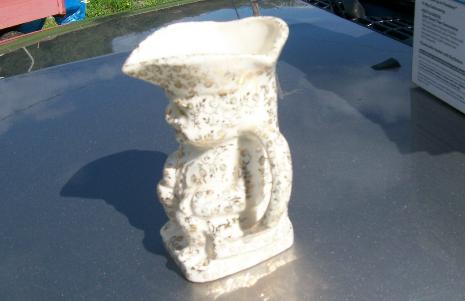
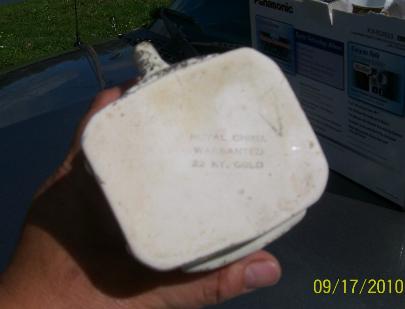
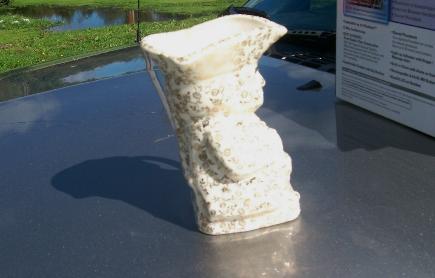
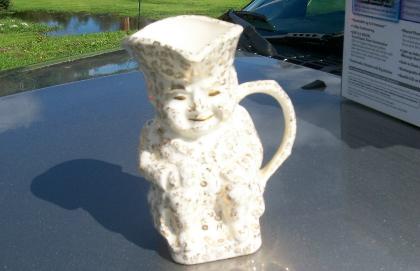
Photos courtesy of Brenda Thomas
| For theRoyal story, click here. Currier & Ives, here. and here |
According to Oldetyme,
1899 founded as the French China Company
1916 became part of the Sebring Manufacturing Co along with Strong Manufacturing and Saxon China
(founded 1911). All 3 plants retained their individual names
1929 the Sebring group joined the American Chinaware Corporation
1931 the American Chinaware Corporation failed
1932 both French China and Saxon China stopped production
1934 they were combined and re-opened as the French-Saxon China Company
1964 purchased by Royal China Company of Sebring
1899 founded as the French China Company
1916 became part of the Sebring Manufacturing Co along with Strong Manufacturing and Saxon China
(founded 1911). All 3 plants retained their individual names
1929 the Sebring group joined the American Chinaware Corporation
1931 the American Chinaware Corporation failed
1932 both French China and Saxon China stopped production
1934 they were combined and re-opened as the French-Saxon China Company
1964 purchased by Royal China Company of Sebring
1
2
3
4
5
7
8
Belviere
Belviere
11
10
Sylvia
Sylvia
13
5186
5186
12
14
Nola
Nola
15
5195
5195
16
Enchantment
Enchantment
15
17
18
19
21
20
Morning
Glory
Morning
Glory
23
22
25
Casablanca
Casablanca
24
26
28
27
30
Sierra Madre
Sierra Madre
29
32
Falling
Leaves
Falling
Leaves
31
33
Royal Ritz
Royal Ritz
36
Its a
Daisy
Its a
Daisy
35
Woodland
Magic
Woodland
Magic
38
Santa Fe
Santa Fe
37
40
39
Aurora
Aurora
41
44
43
46
Sussex
Sussex
45
Bucks
County
Bucks
County
108
107
Willow Brook
Willow Brook
110
Lamar
Lamar
48
Peach Tree
Peach Tree
109
Platinum
Crest
Platinum
Crest
47
N52
N52
113
Rondo B
Rondo B
112
49
51
114
50
Rondo O
Rondo O
53
52
Lancaster
Lancaster
116
5189
5189
115
55
119
Rose Mary
Rose Mary
118
k52
k52
54
Rondo B
Rondo B
56
122
Shelly
Shelly
58
Princess
Pat
Princess
Pat
121
5186
5186
57
60
8015
8015
124
Royal
Heirloom
Royal
Heirloom
123
Yorktown
Yorktown
59
Enchantment
Enchantment
126
125
62
Dorset
Dorset
61
64
5195
5195
127
63
Promenade
Promenade
129
California
Poppy
California
Poppy
66
Duane
Duane
65
Waverly
Waverly
67
1144
1144
68
71
72
Gray
Pinstripe
Gray
Pinstripe
71
Colonial
Gold
Colonial
Gold
74
73
Pinafore
Pinafore
76
75
78
Sunshine
Sunshine
77
80
Sunshine
Sunshine
79
Vista
Vista
82
Vendome
Vendome
81
83
85
84
87
Tami
Tami
86
Bouquet
Bouquet
89
Majestic
Majestic
88
Pebble Beach
Pebble Beach
91
Old
Grist
Mill
Old
Grist
Mill
90
Gloria
Gloria
93
Star Glow
Star Glow
92
Twinkle
Twinkle
95
94
Bountiful
Bountiful
97
Emporium
Emporium
96
99
98
Royal
Ivory
Royal
Ivory
100
101
102
Mozambique
Mozambique
104
Majestic
Newport S.
Majestic
Newport S.
103
Boutonniere
Boutonniere
106
105
111
5109
5109
117
c22
c22
120
Suzan
Suzan

Memory Lane

Blue Heaven

Old Curiosity Shop
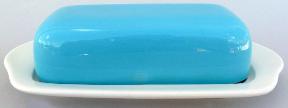


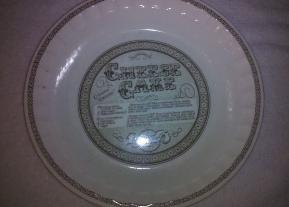


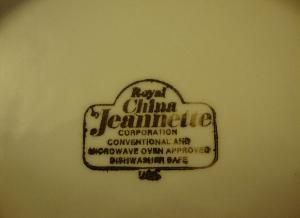
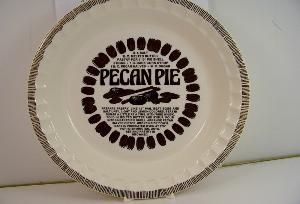


Queen's Lace Jeannette
Royal China
Royal China
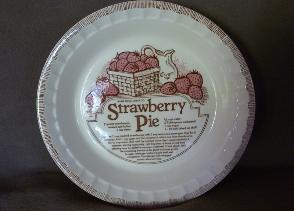


Royal China Jeannette
Sussex
Sussex


Royal Jeannette
Brown Flowers
Brown Flowers

Royal China Jeannette
Somerset
Somerset

Royal China Jeannette
Woodland Magic
Woodland Magic
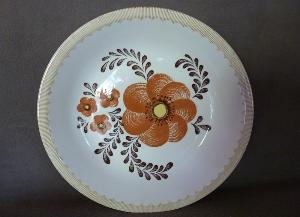


Royal China Jeannette
Nutmeg
Nutmeg

Royal China Jeannette
Chantilly
Chantilly


Page full! Click here for
further pottery photos
from
Royal China!
further pottery photos
from
Royal China!
Page full! Click here for
further pottery photos
from
Royal China!
further pottery photos
from
Royal China!
Page full, click here for further photos
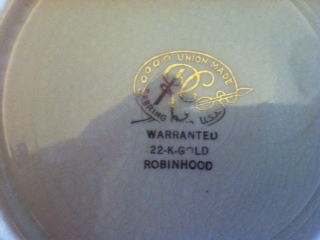
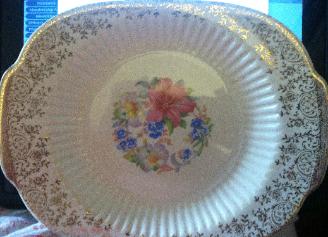
Photos from Cheryl
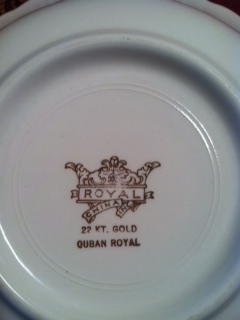
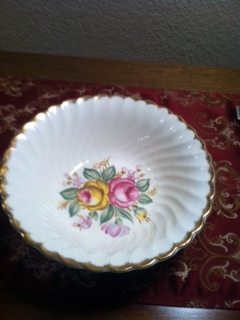
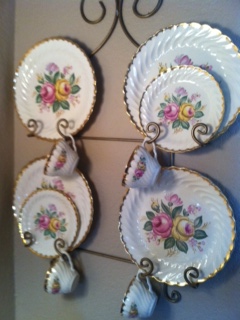
Photos from Kelly Kear
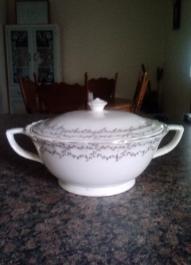
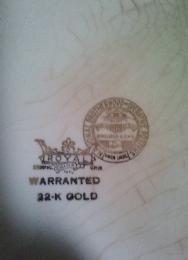
Photos from Dana Coffin
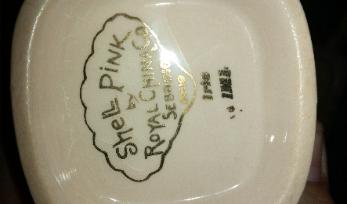
Photo from Elena Diaz
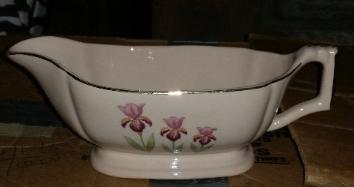
Photos from Avenueantiques